Floor Hockey
Floor Hockey
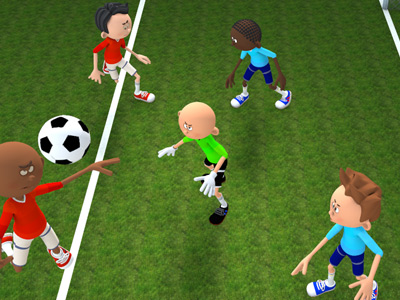
Floor hockey is a broad term for several indoor floor game codes which involve two teams using a stick and type of ball or puck. Pucks are either open or closed. These games are played either on foot or with wheeled skates.
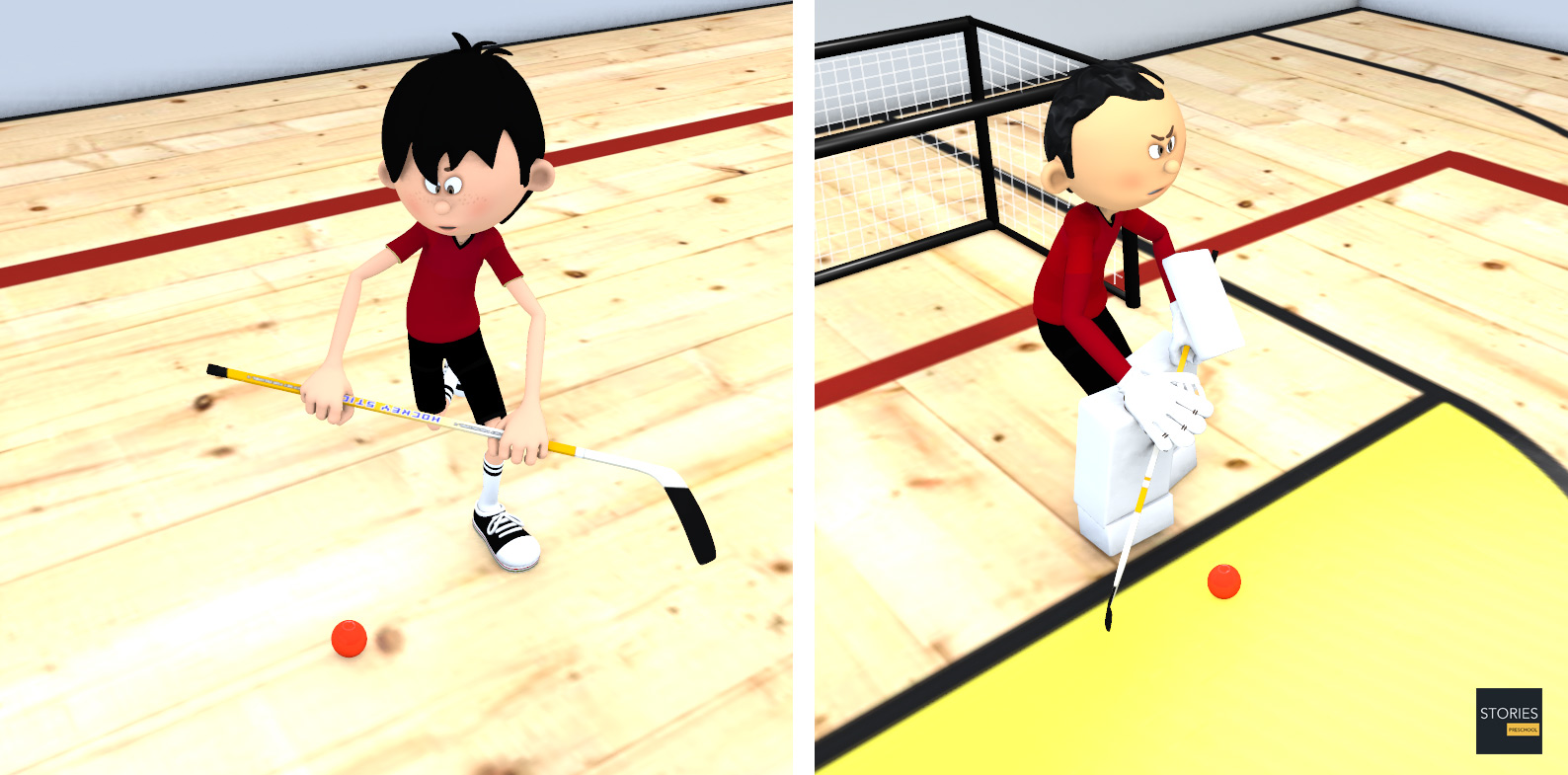
Variants typically reflect the style of ice hockey, field hockey, bandy or some other combination of sport. Games are commonly known by various names including cosom hockey, ball hockey, floorball, or simply floor hockey.
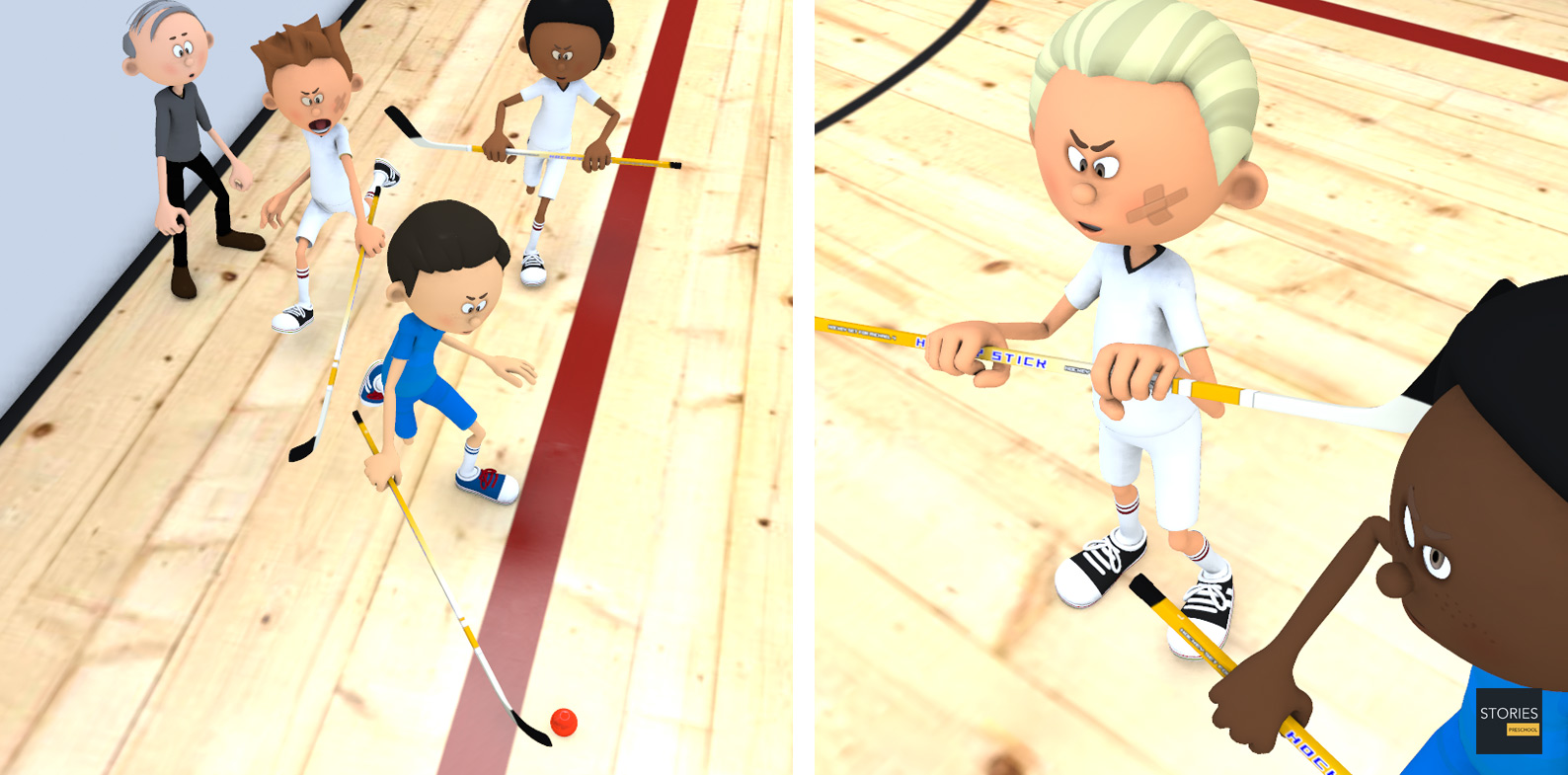
Two floor hockey variants involve the use of wheeled skates and are categorized as roller sports under the title of roller hockey. Quad hockey uses quad skates, commonly known as roller skates, and appears similar to bandy, while inline hockey uses inline skates and is of the ice hockey variation.
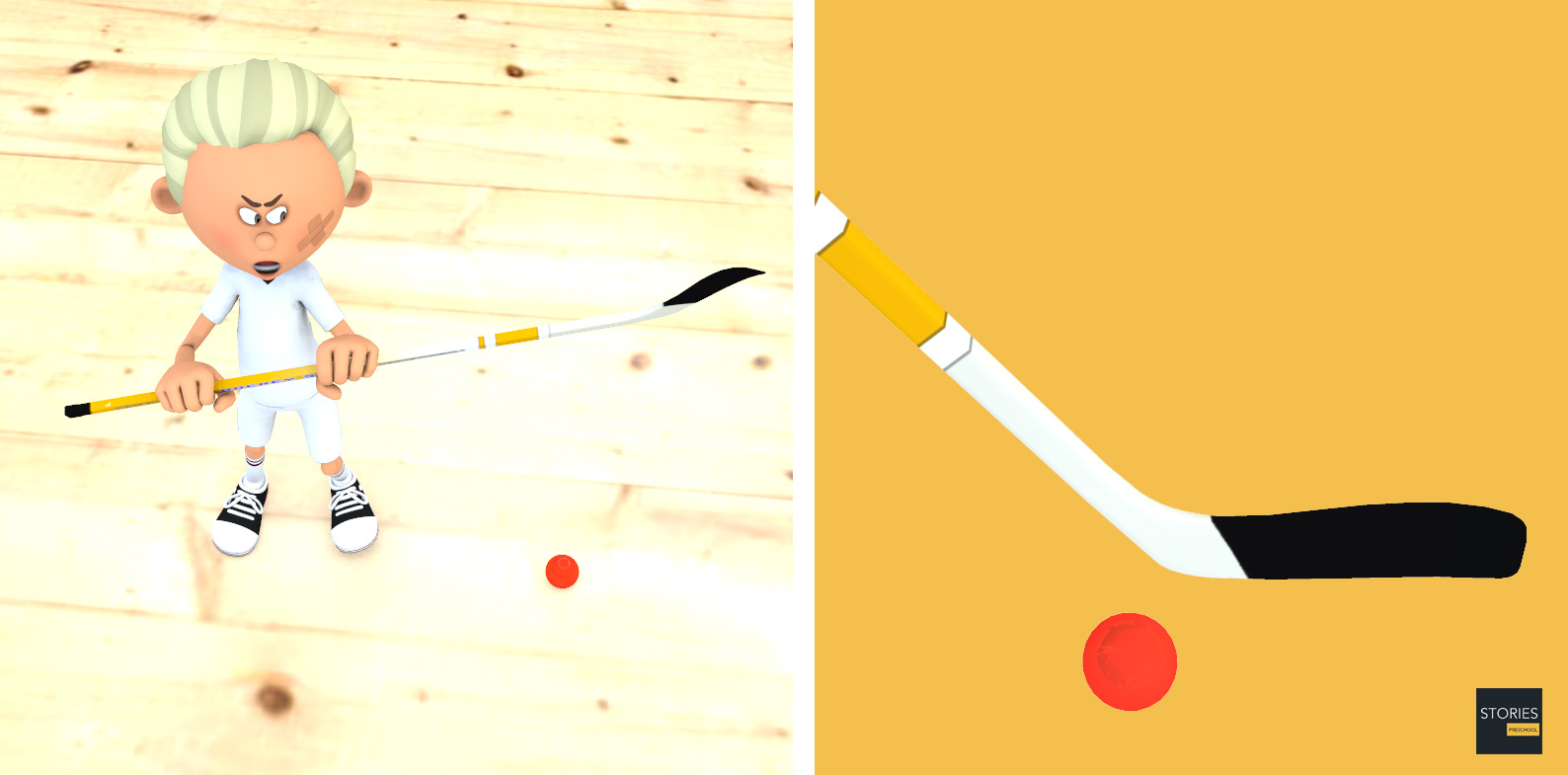
All styles and codes are played on dry, flat floor surfaces such as a gymnasium or basketball court.
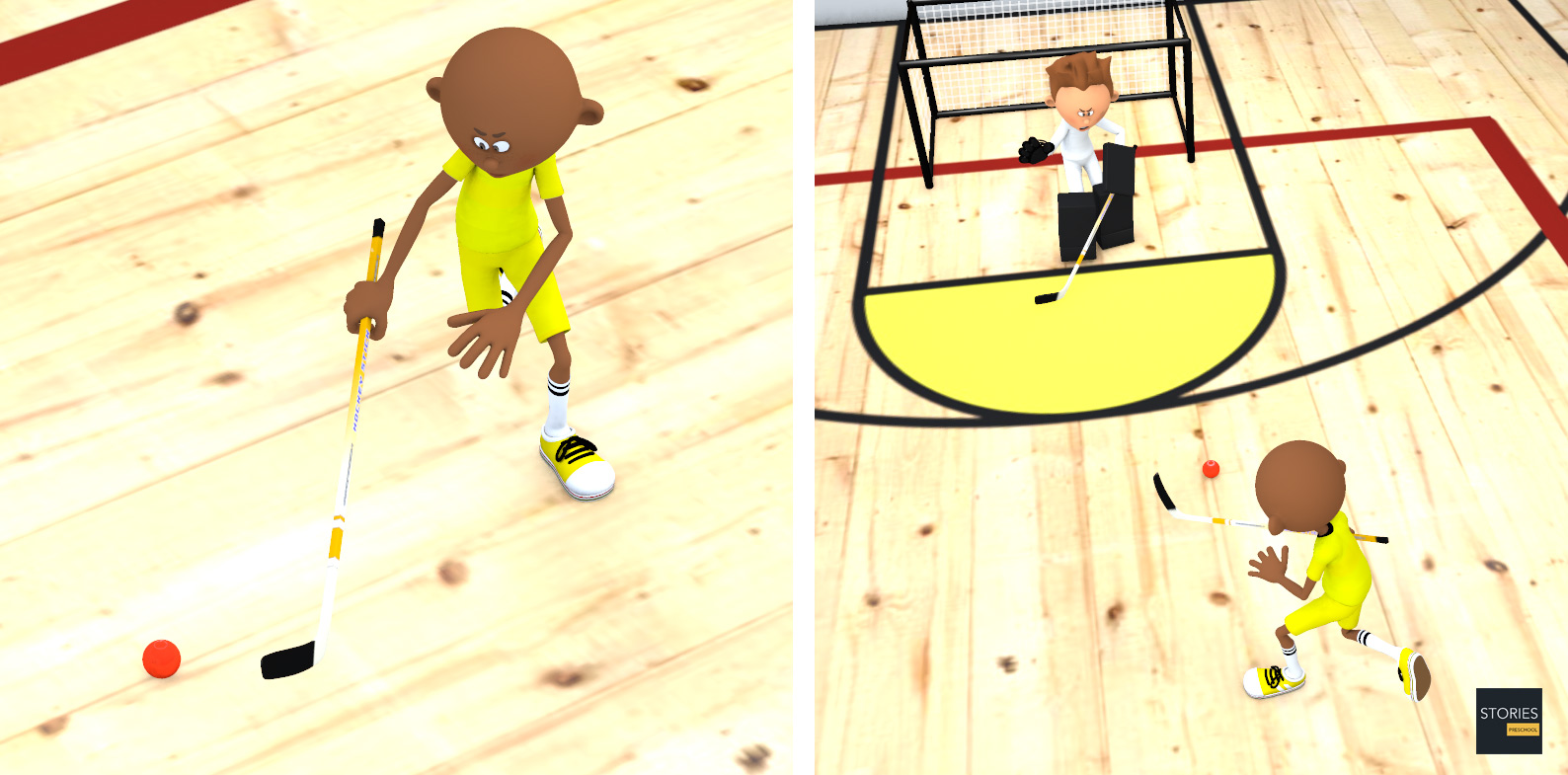
As in other hockey codes, players on each team attempt to shoot a ball, disk or puck into a goal using sticks, some with a curved end and others a straight, bladeless stick.
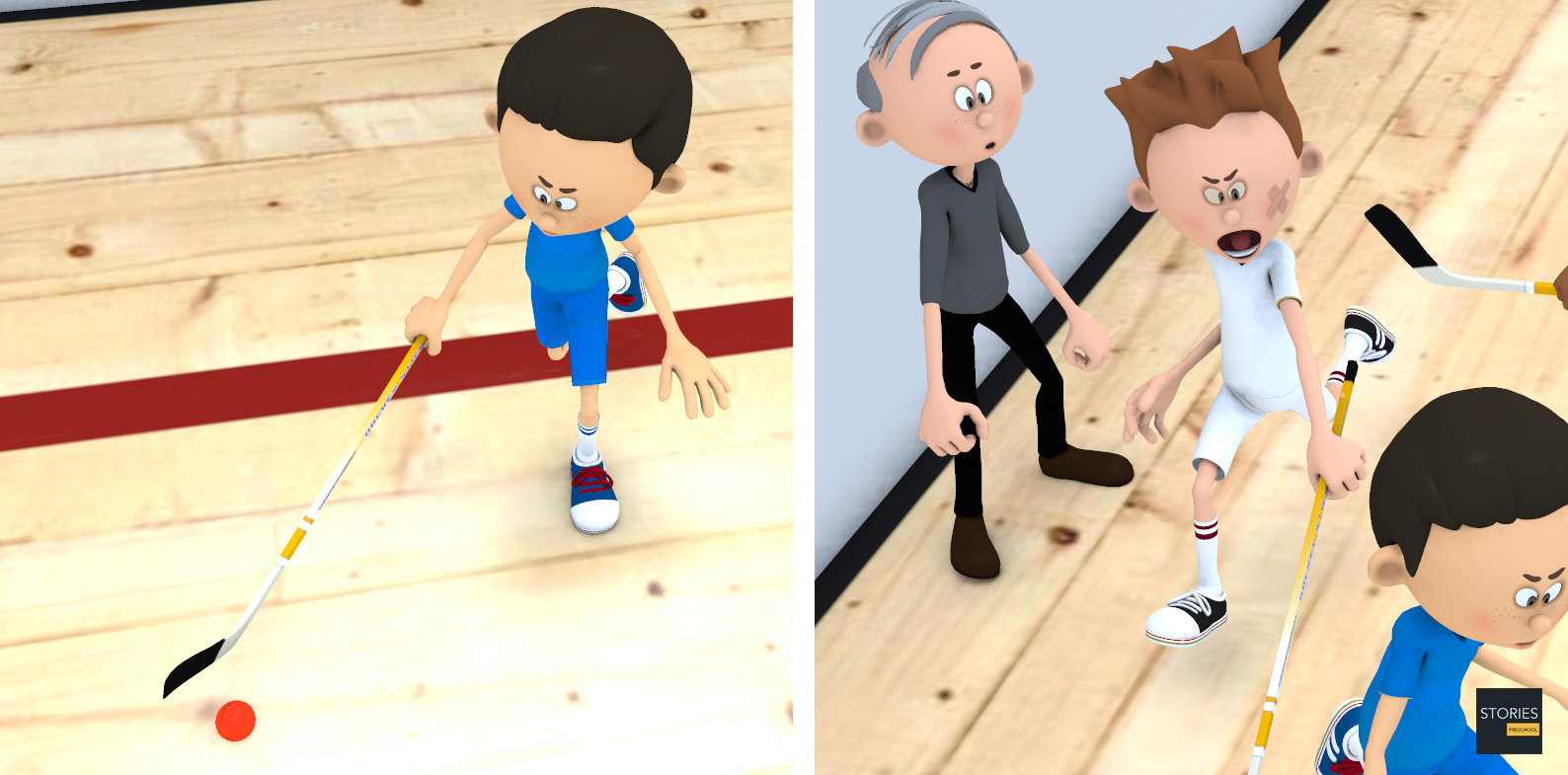
Floor hockey games differ from street hockey in that the games are more structured and have a codified set of rules. The variants which do not involve wheeled skates and use a closed puck are sometimes used as a form of dryland training to help teach and train children to play ice hockey while the floorball variant is sometimes used as a dryland training program for bandy.
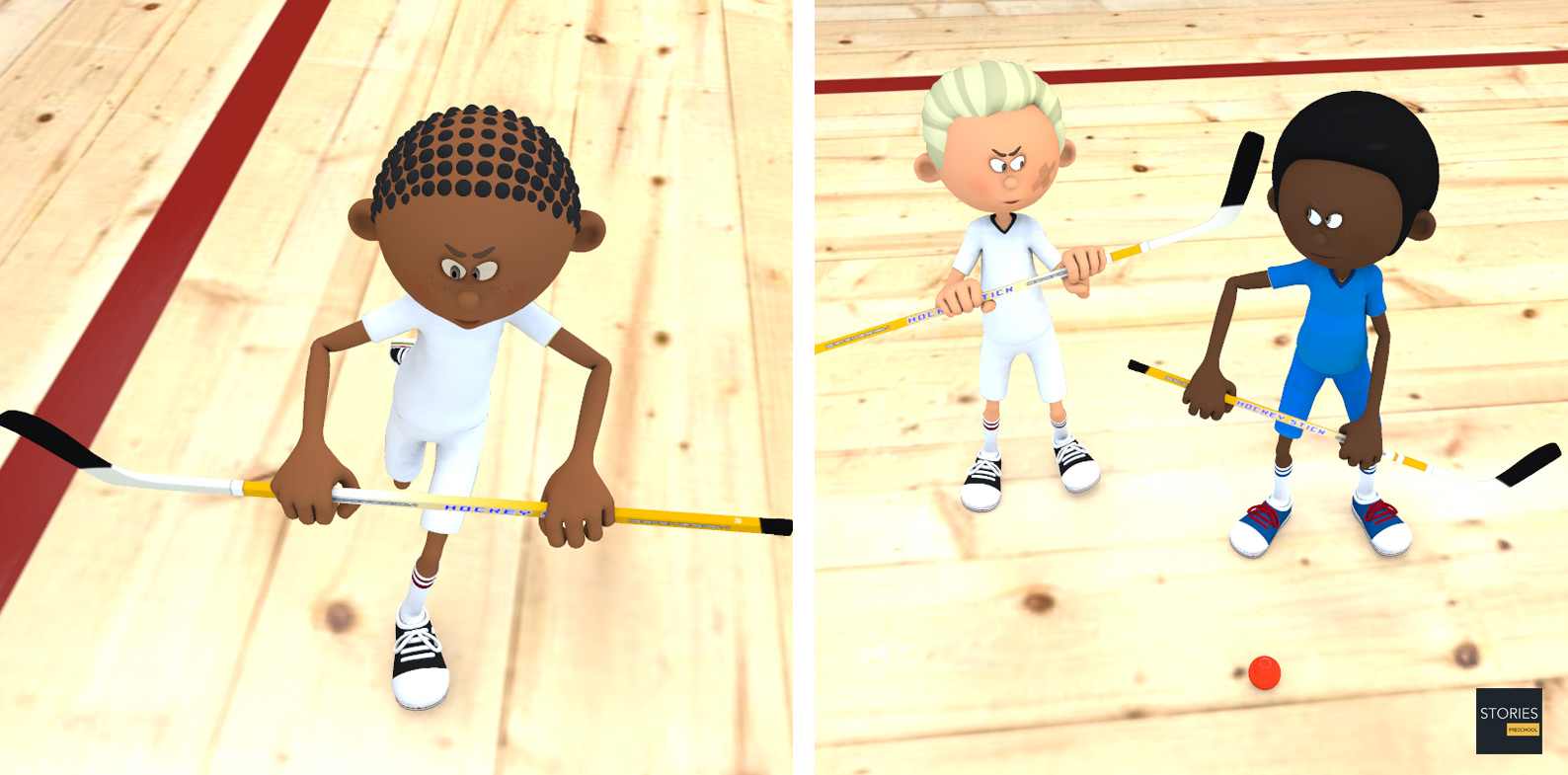
Floor hockey was originally a physical fitness sport in many public schools developed for physical education class but has since developed several variants played in a variety of ways and is no longer restricted to educational institutions.
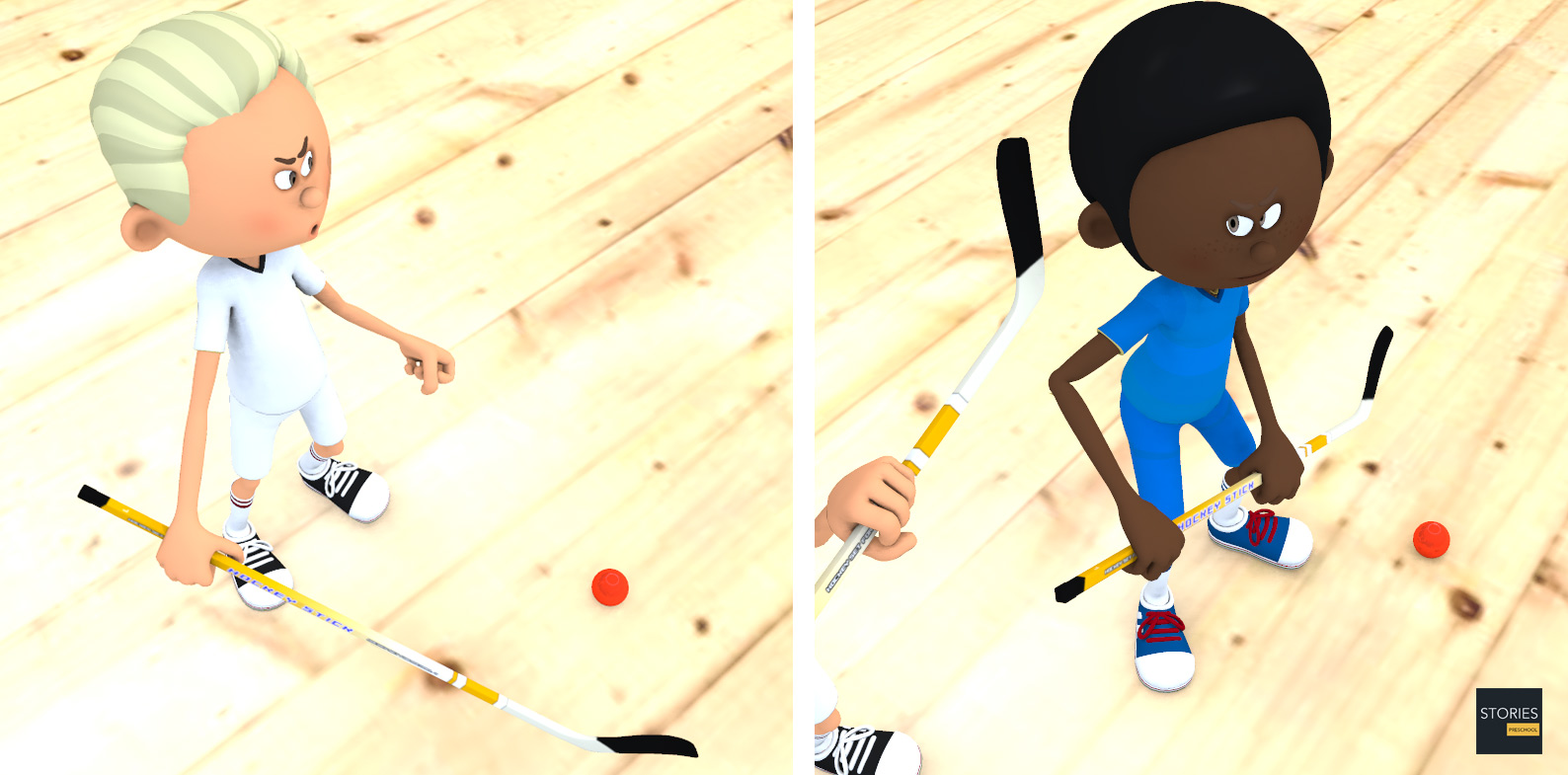
All floor hockey variants can be separated into four general categories based on four main variables: ball games, puck games (closed disk), disk games (open disk), and a separate category for wheeled skates called 'Roller Games'.
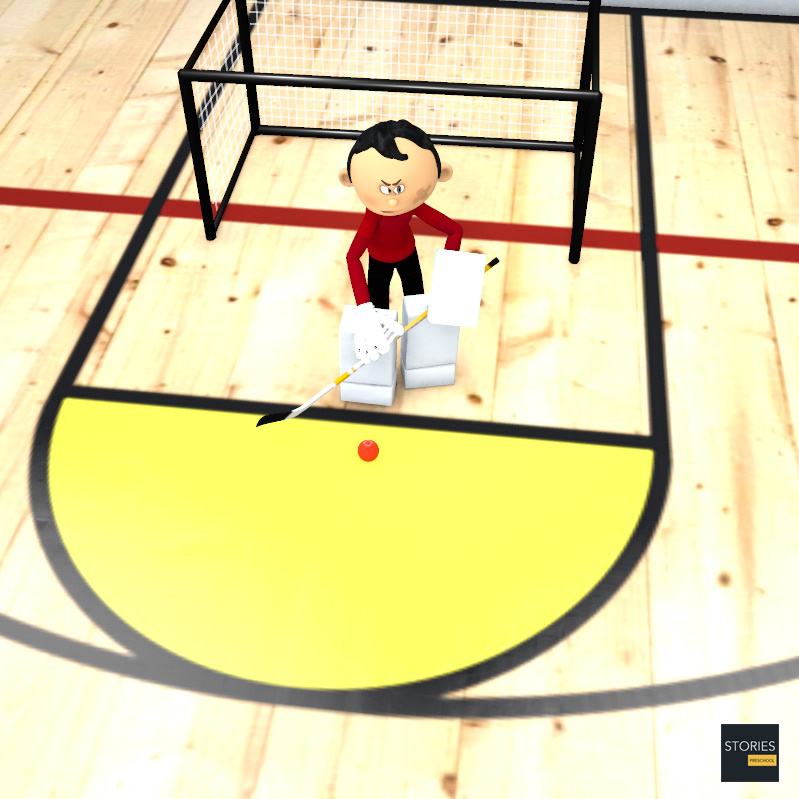
The first three categories are floor hockey variants played on foot while the latter involves the use of wheeled skates. All four categories can have their own sub-divisions to help categorize the existing floor hockey variants even further.
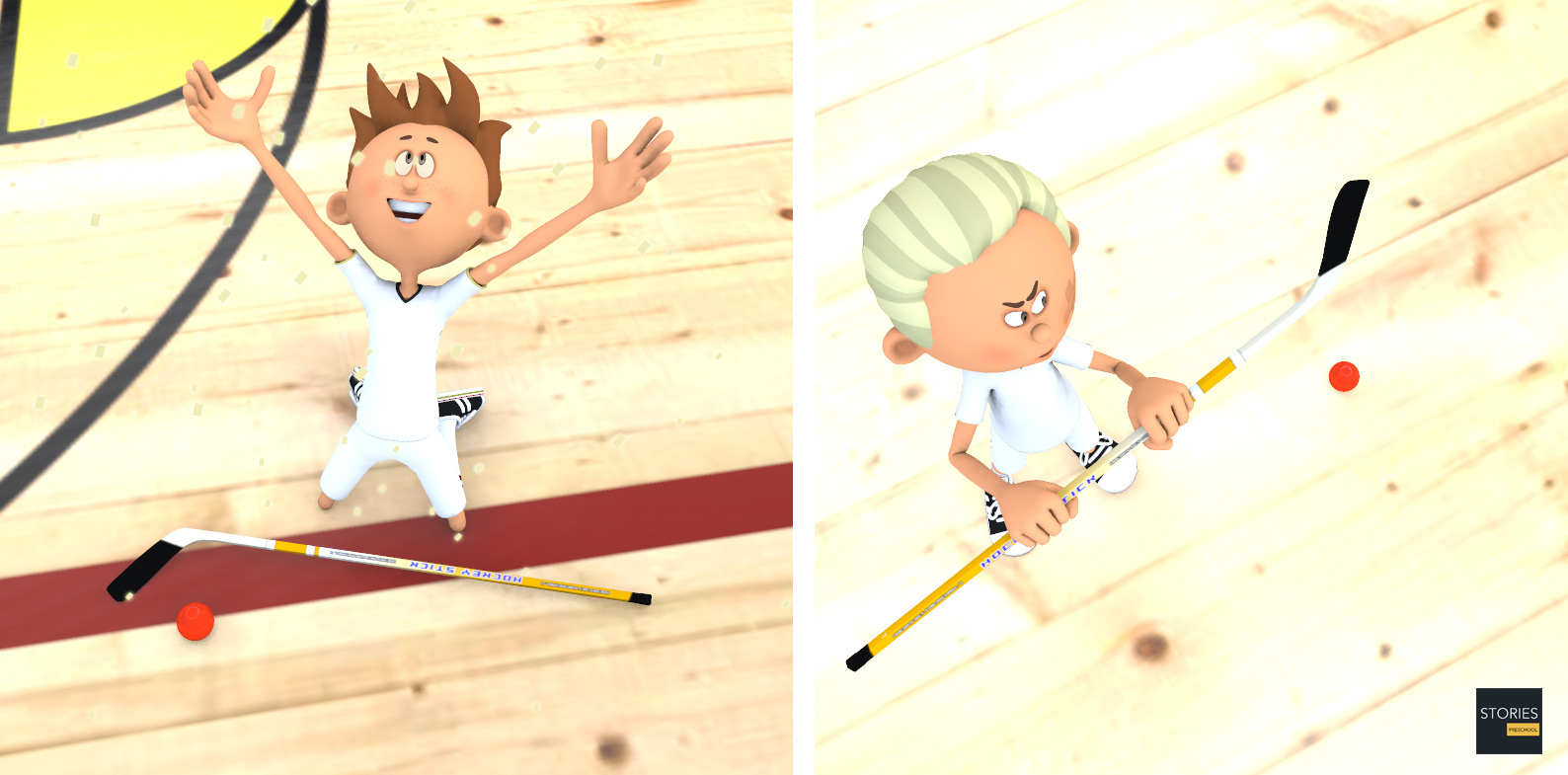
The term "floor hockey" has at times been incorrectly called ringette and vice versa. Ringette is not a floor sport, but an ice skating sport. Another common mistake is to confuse gym ringette with floor hockey.
Though one of the two floor hockey variants which use a disc with a hole in the center was codified by the Canadian Sam Jacks in the 1930s, gym ringette should not be confused with floor hockey variants due to the fact gym ringette was designed in Canada in the late 20th century as the off-ice variant of the ice skating sport of ringette, a sport which was also created by Sam Jacks in Canada in the 1960s.
Equipment
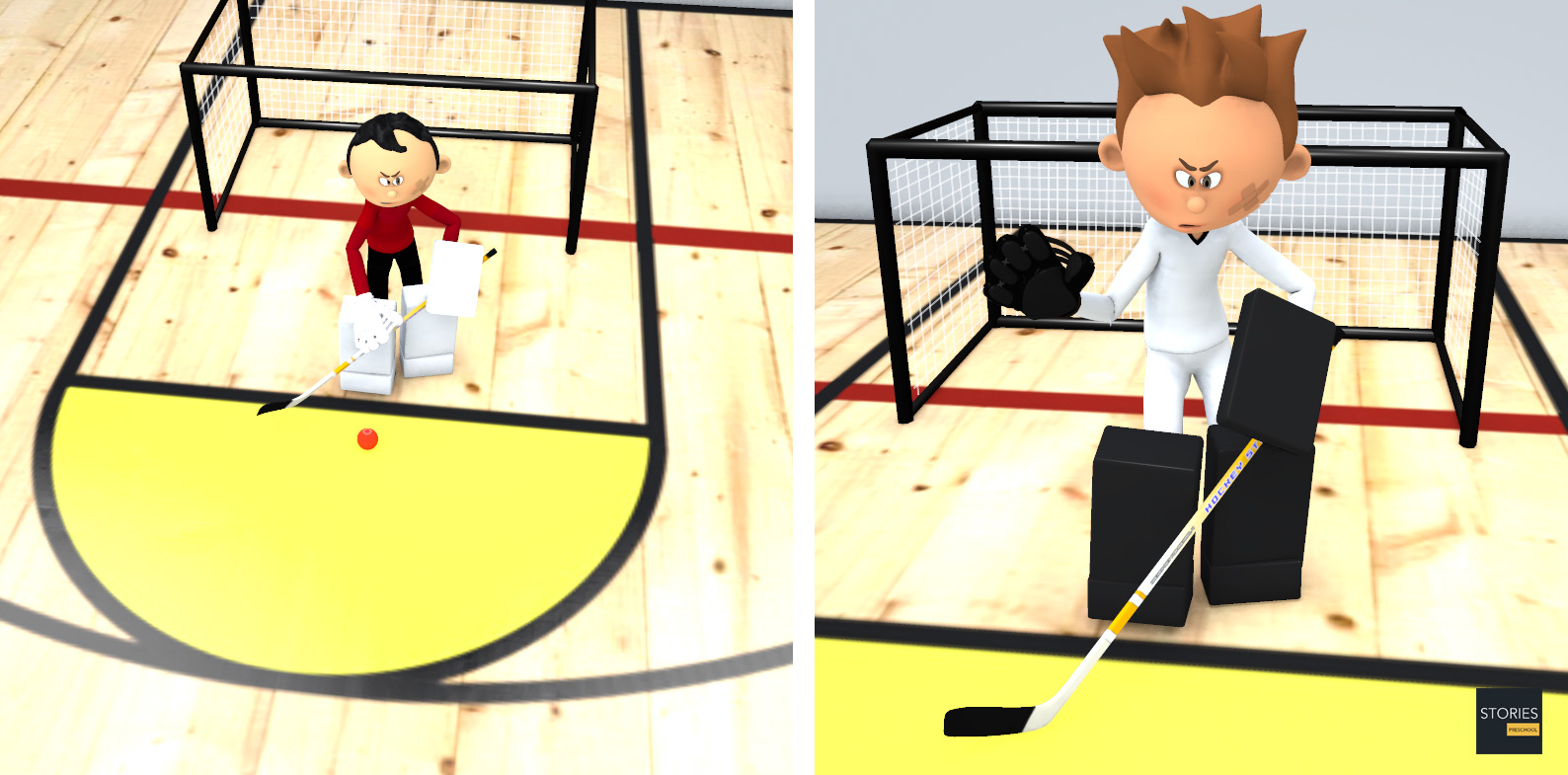
Floor hockey equipment differs from code to code. The types of checking and protective equipment allowed also vary. It is also important to note that when it comes to equipment, many floor hockey games today use some type of plastic, the first of which wasn't invented until 1907 by Leo Baekeland.
Various objects can be used for play depending on the code, but they fall into three main types: a ball, a closed disk called a puck, or an open disk with a hole in the middle. These objects are variously constructed of either plastic or a felt-like material.
Sticks used for play depend on the game codes. Some codes require standard ice hockey, field hockey or bandy sticks, while others use lightweight plastic sticks. The Special Olympics version of floor hockey uses blade-less wooden sticks.
The type of floor hockey game that is played and the object of play that is used often determines the type of stick. The material used to make floor hockey sticks varies and can include plastic or some type of composite. Shafts are either rectangular or rounded like in the case of a broomstick.
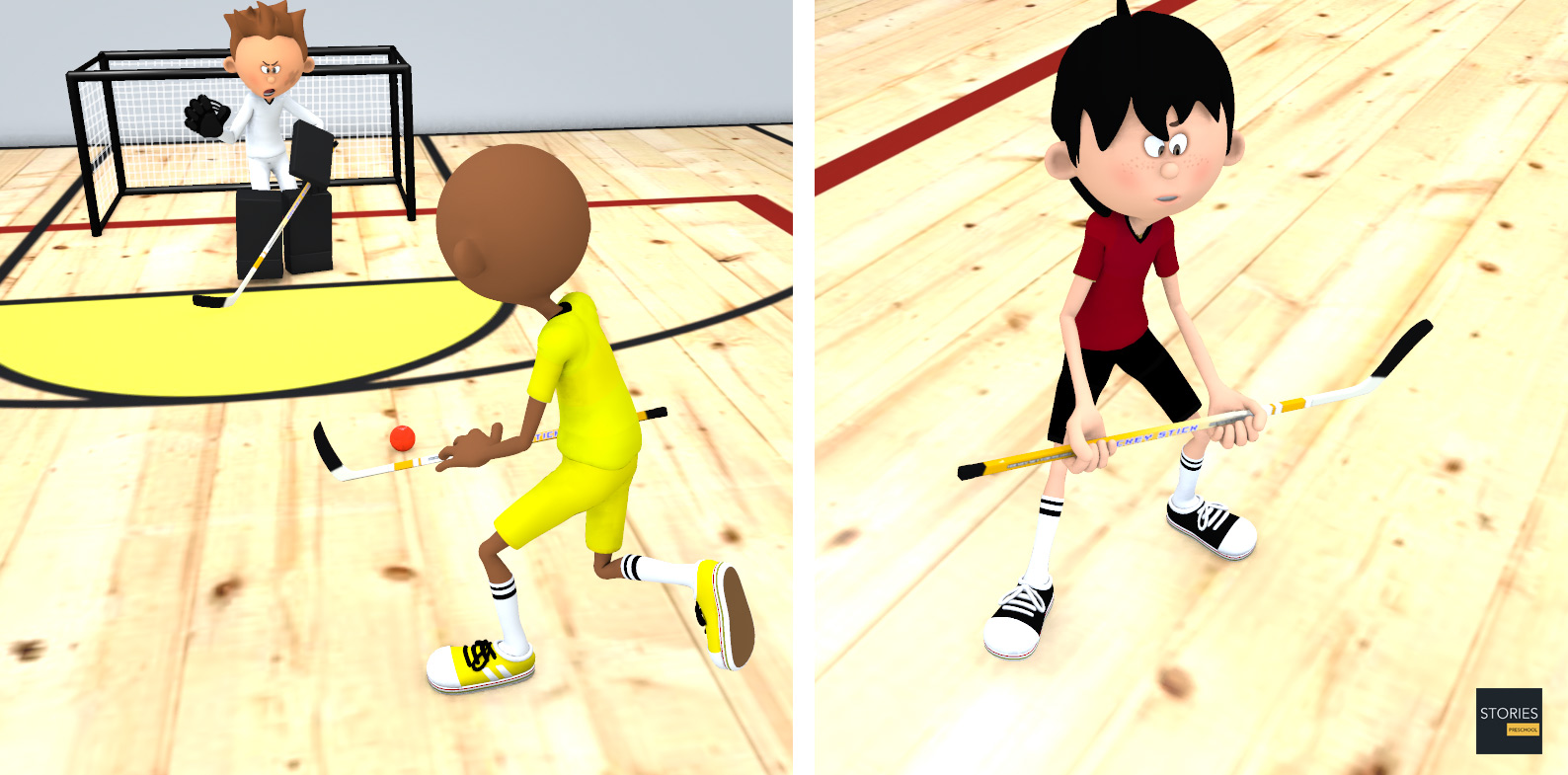
Games which use a ball such as quad hockey will typically use a stick ending in a type of hook though this is not always the case as can be seen in ball hockey and road hockey.
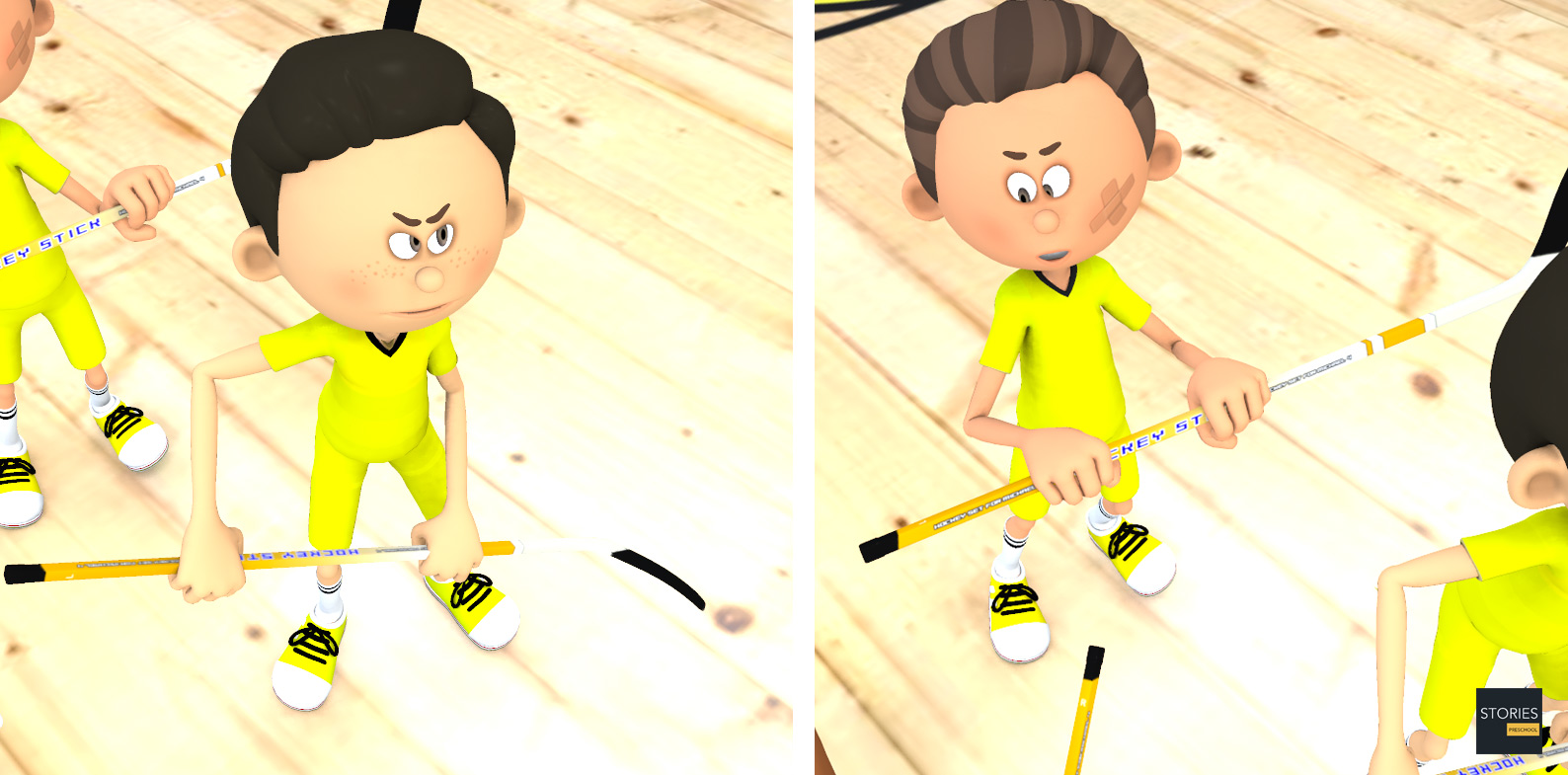
Games which use a type of puck (closed disk) such as cosom hockey and inline hockey, will typically use a stick ending in a blade with sharp angle at the end of the shaft with a blade which generally lies flat along the floor.
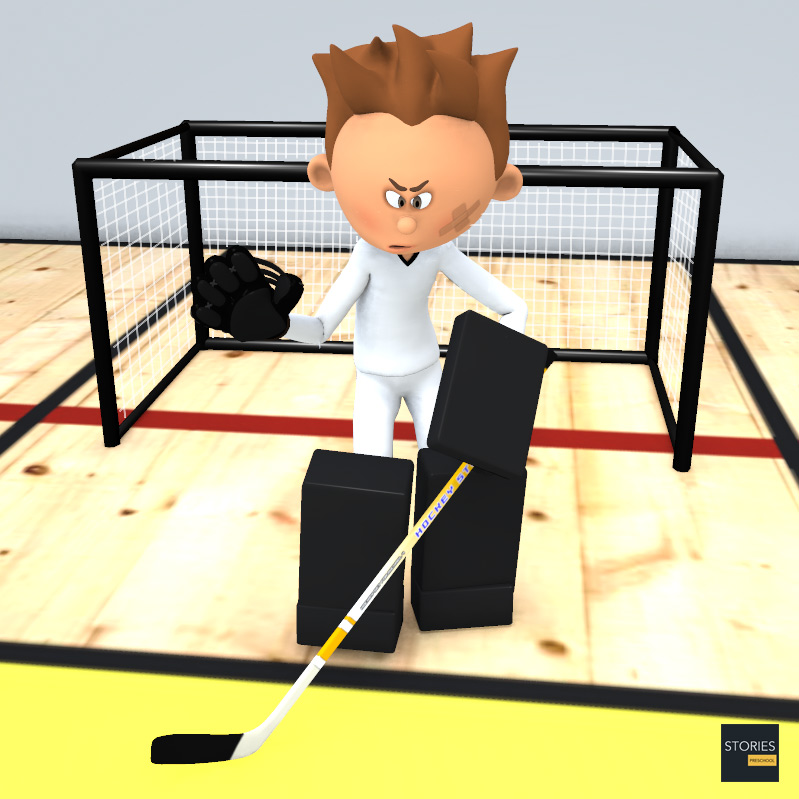
In the case of floorball the end of the stick involves a design that is a mix between a blade and a hook.
Rules
Although there are different codes of floor hockey rules, there are some basic rules which are typically followed regardless of code, with the exception of gym ringette.
Start of Play
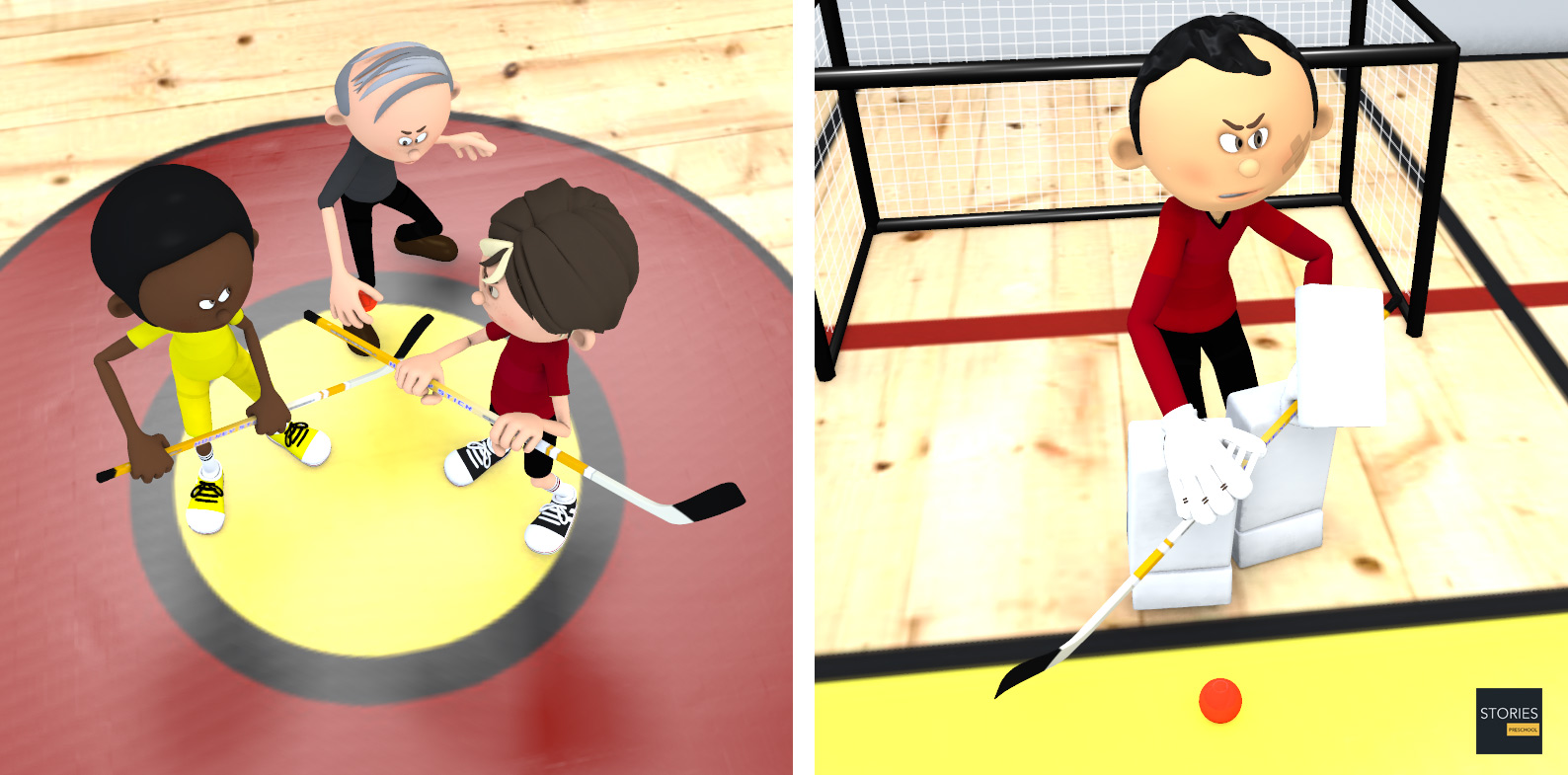
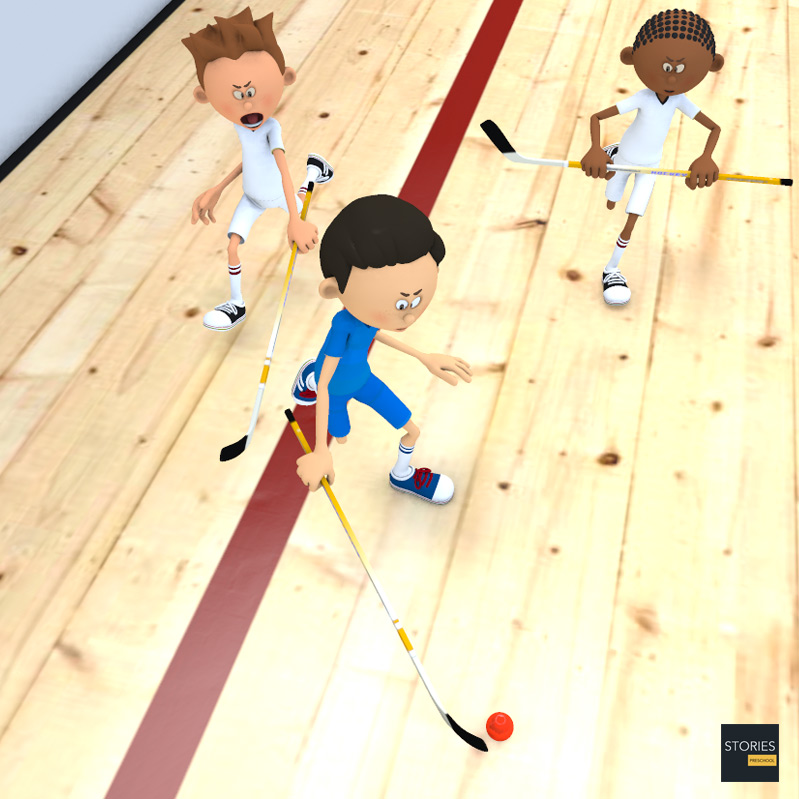
Floor hockey games start with a face-off, in which a player from each team has an equal chance to gain possession. The face-off is also used to resume play after goals, and to start each period.
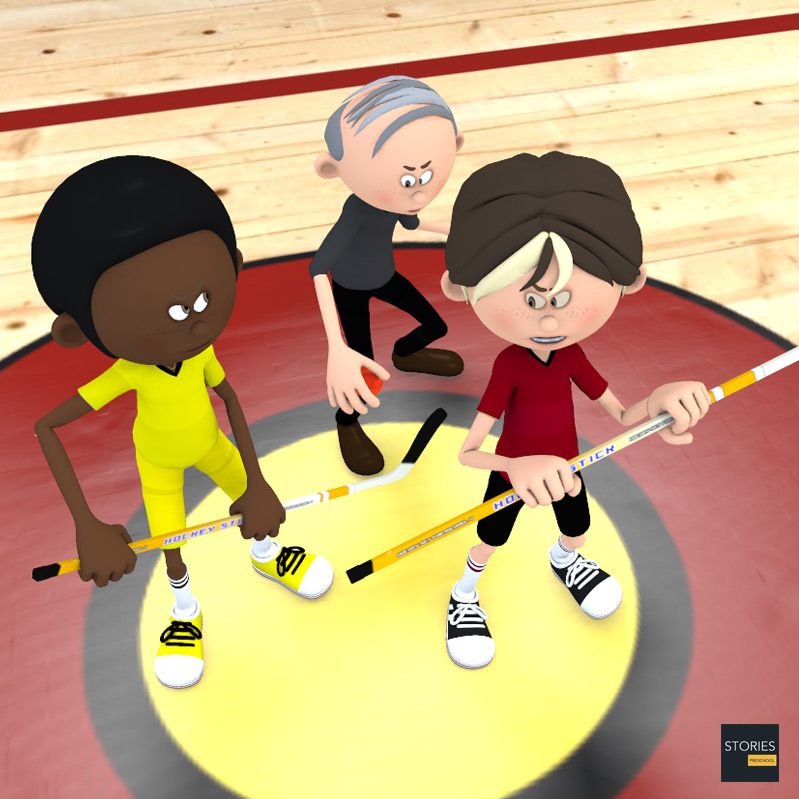
Scoring
A goal is scored when the entire puck or ball crosses the plane of the goal line, unless it is intentionally kicked in by the attacking team.
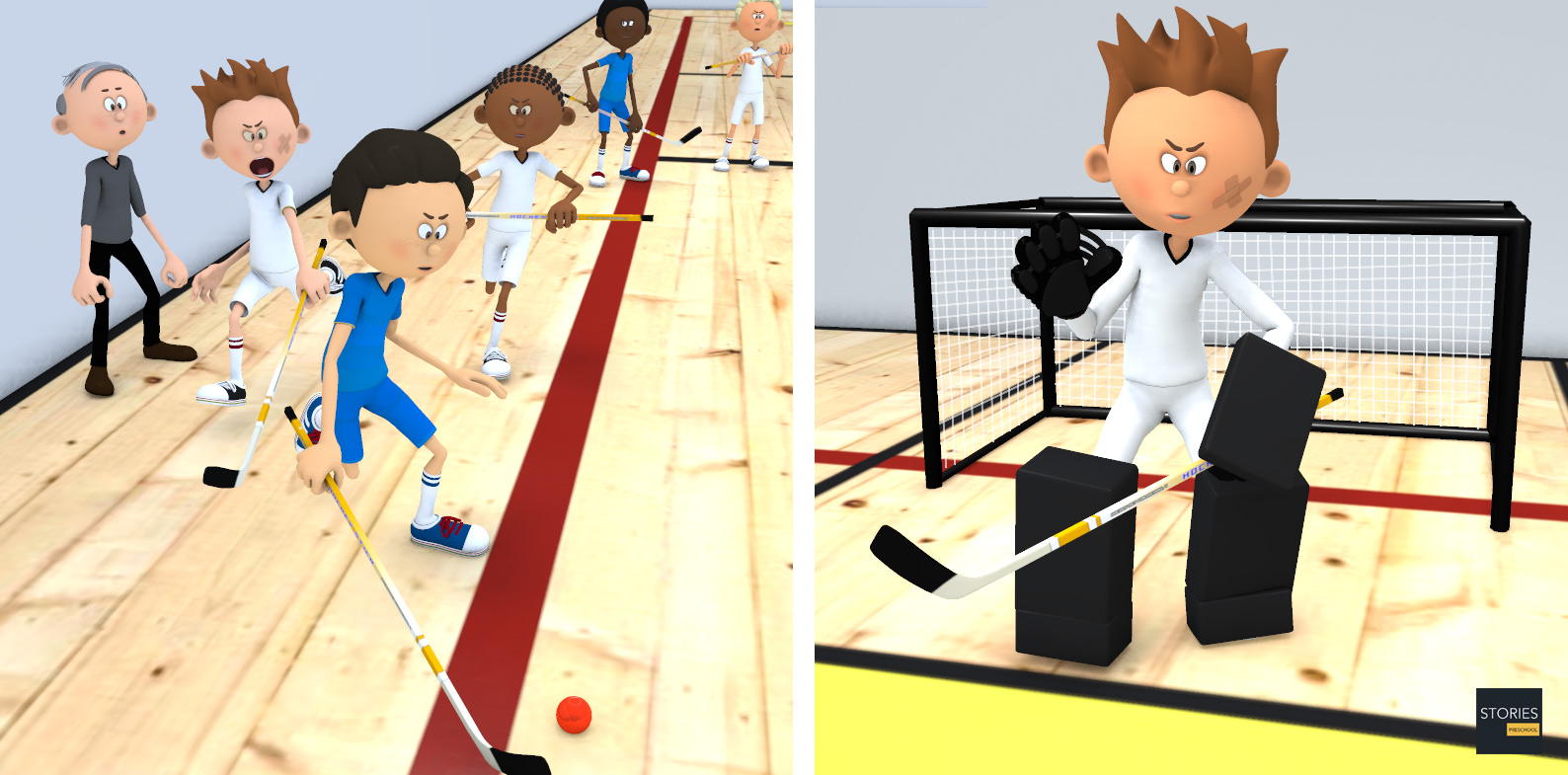
The team with the most goals at the end of the game is declared the winner. If the game is tied, the games usually proceed into golden goal period(s) in order to determine a winner.
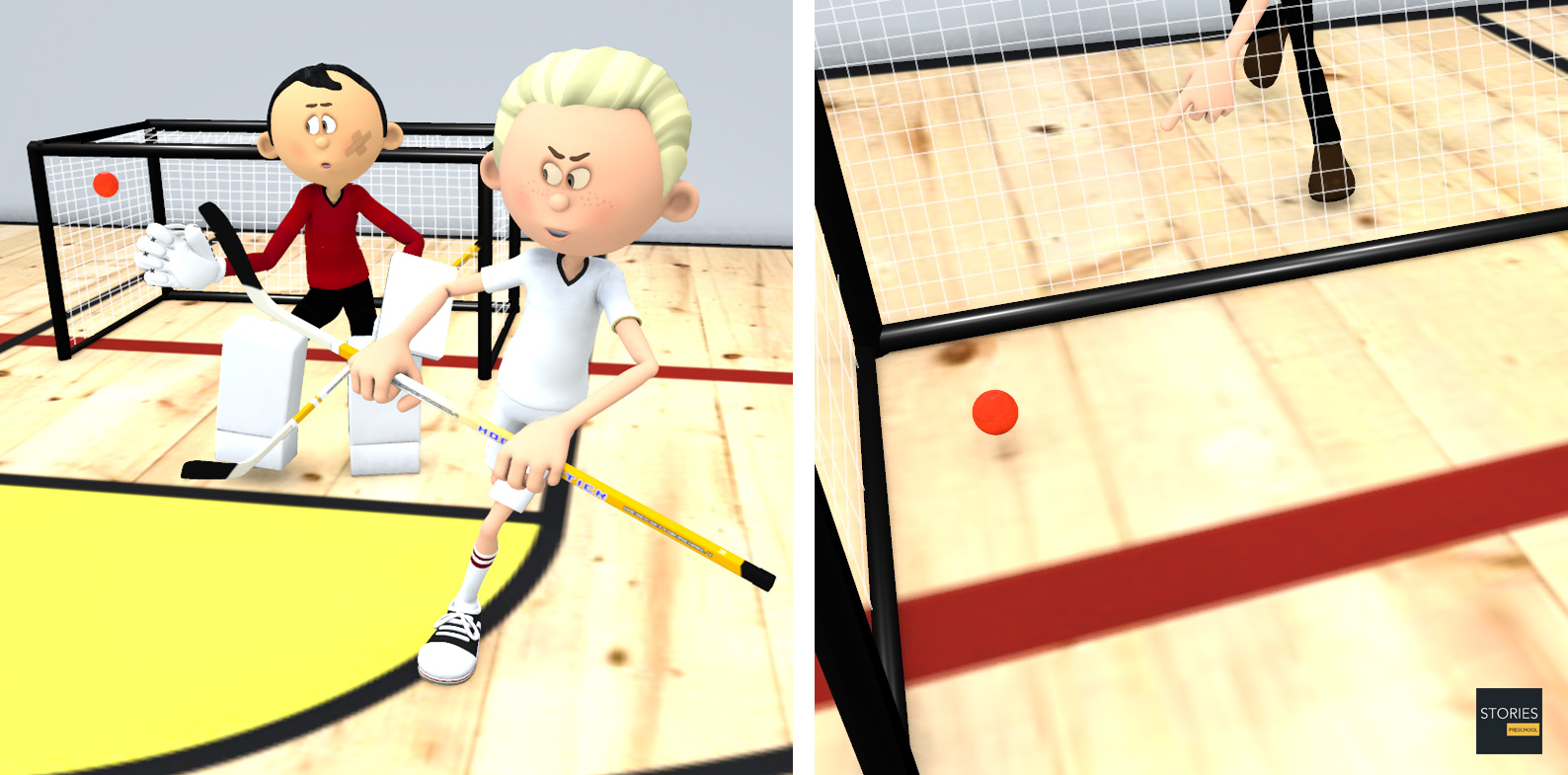
Overtime rules vary, but typically include extra time and/or penalty shootout.
Penalties
Penalties for illegal actions are enforced. A player committing a major infraction is required to sit out of the game for two minutes, resulting a power play, but a minor infraction may result in a free hit.
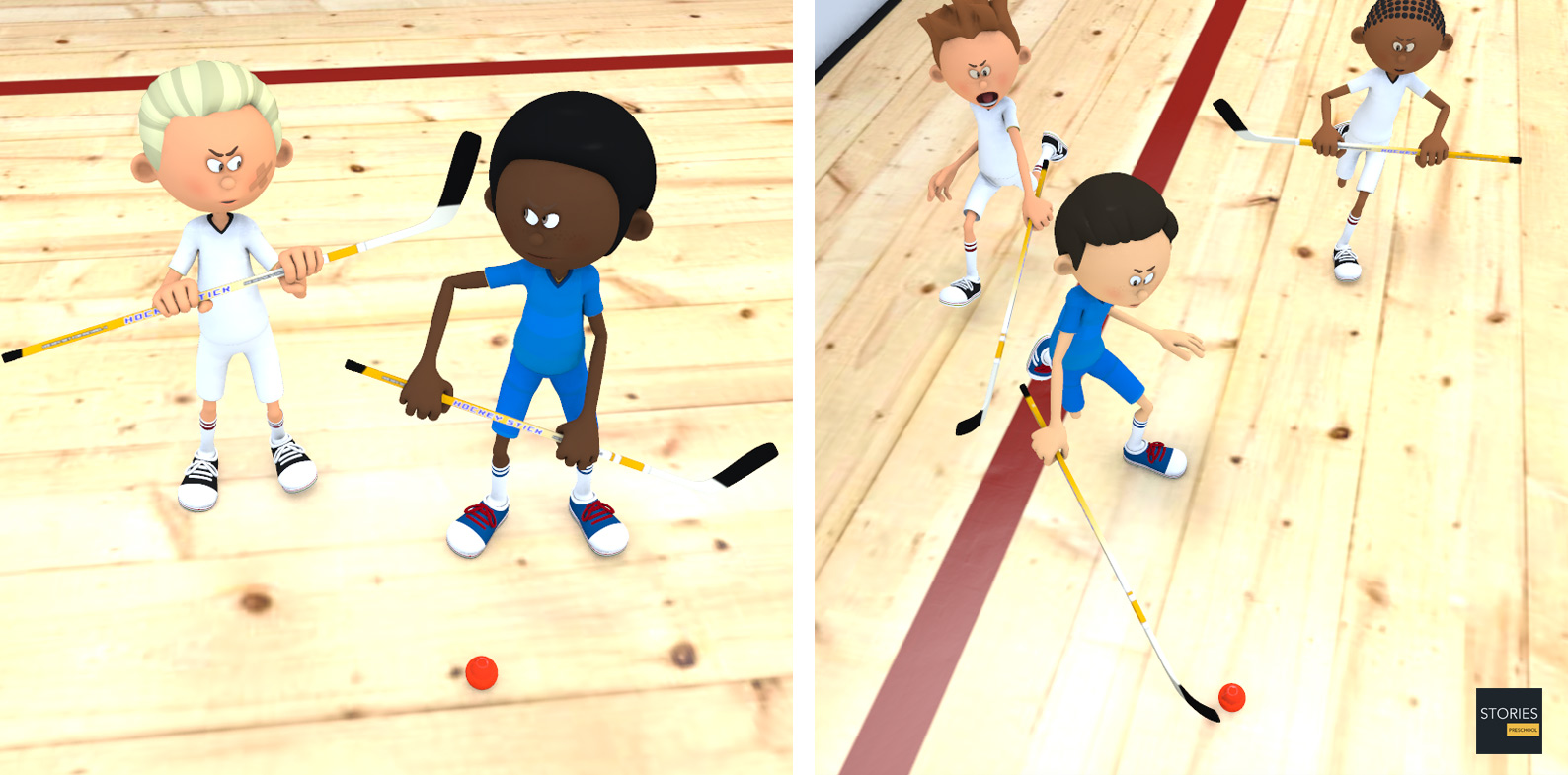
Penalties are typically given for the following actions:
- Tripping – Using the body or stick to intentionally cause a player to fall
- Hooking – Using the curved end of the stick to impede a player's forward progress by pulling him or her back
- Slashing – Using the stick to hit an opposing player's body
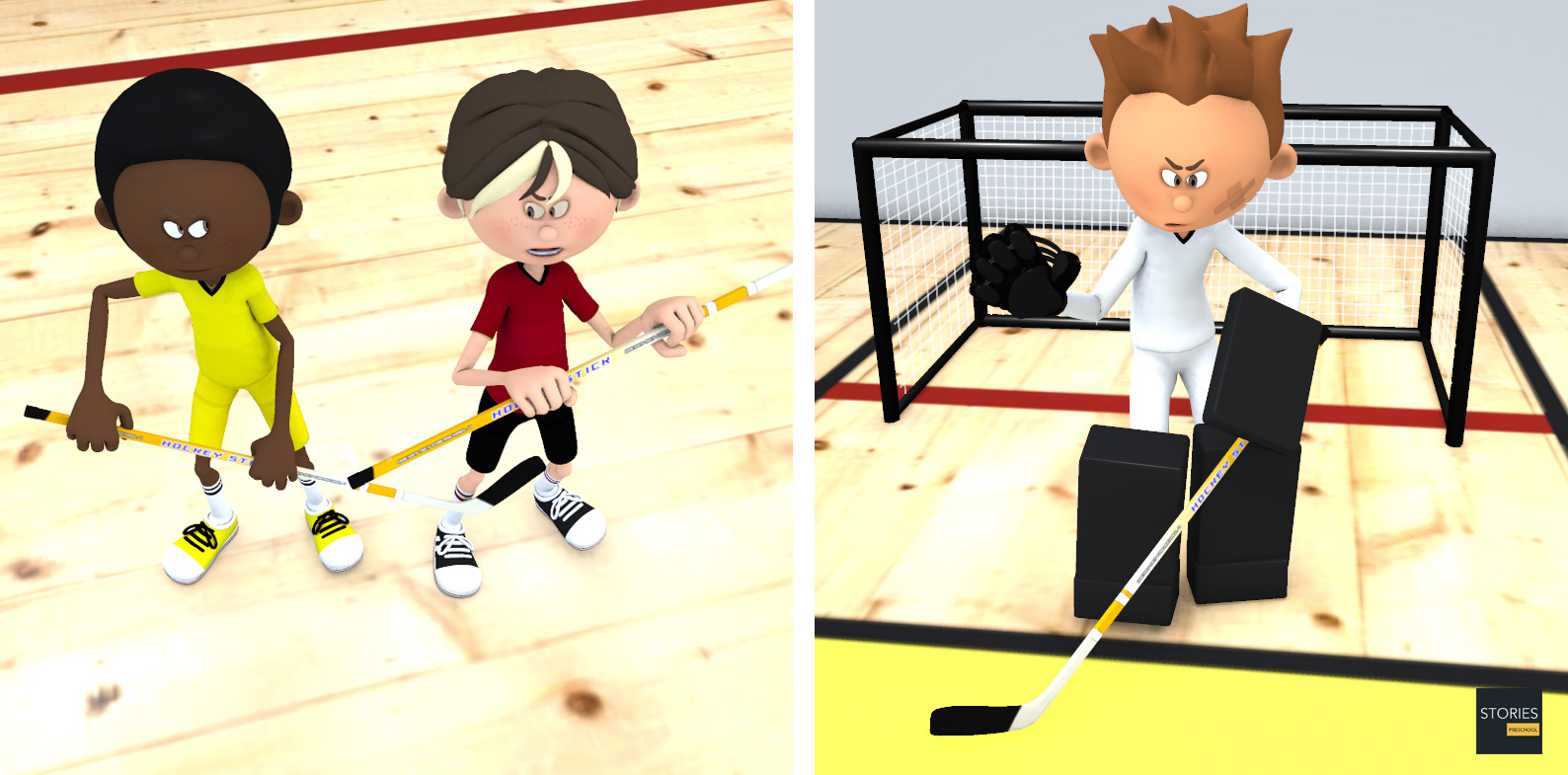
- Interference – Using the body to move a player from his current position on the floor or preventing him from playing the ball or puck
- High Sticking – Allowing the curved end of the stick to come above your waist
- Pushing Down – Using the stick to push an opponent down
- Checking from Behind – Hitting a player from behind
- Cross-checking – Ramming opponent with stick using both hands
- Too Many Players on Court - To be served by designated player
- Spearing – Stabbing opponent with stick blade (game misconduct)
- Deliberate Intent to Injure Opponents (Game Misconduct)
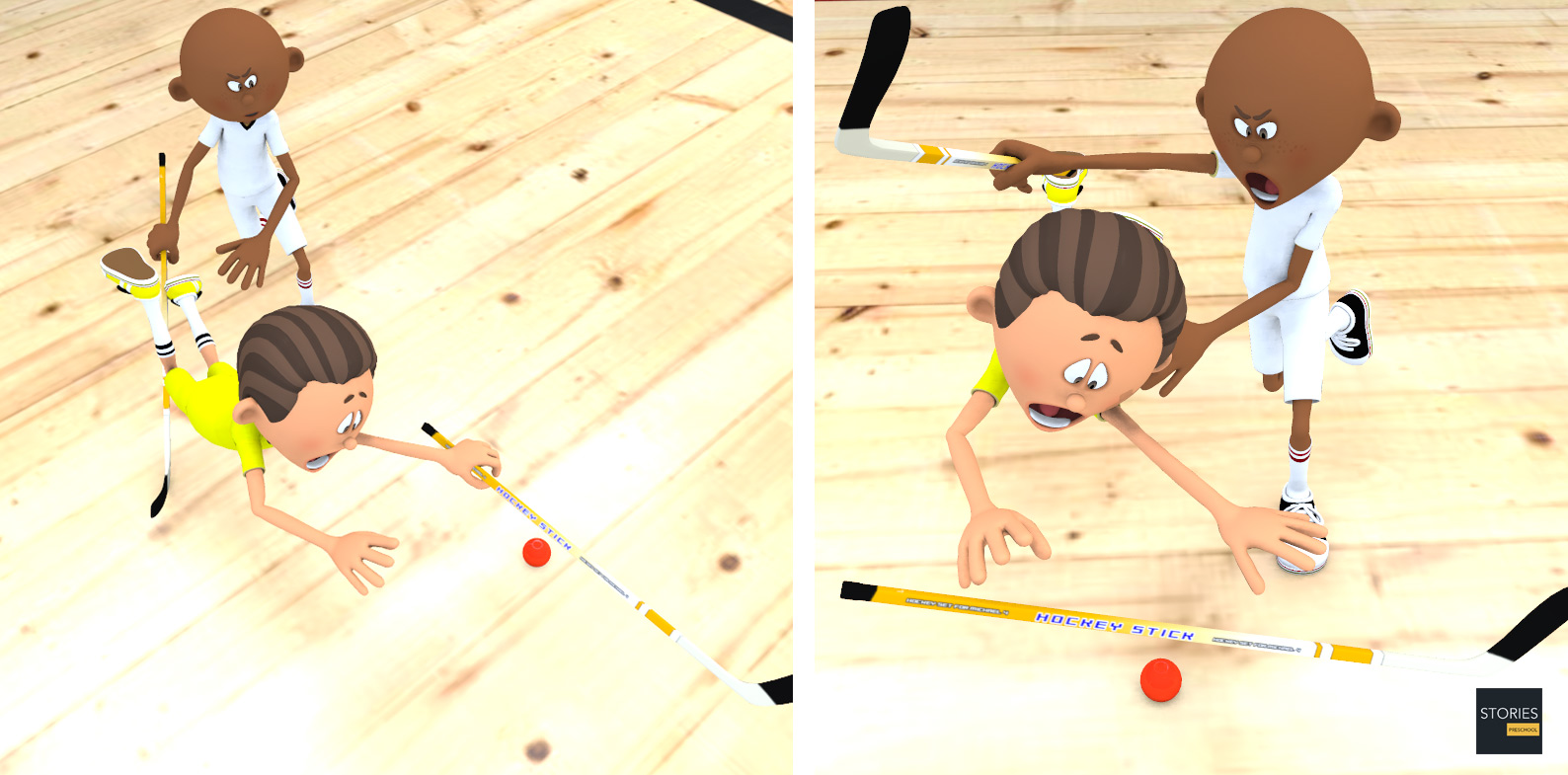
Due to the limited padding worn by players, body checking is typically disallowed in floor hockey games, although shoulder-to-shoulder checking is allowed.
SPORTS
RESOURCES
This article uses material from the Wikipedia articles "Floor Hockey" which is released under the Creative Commons Attribution-Share-Alike License 3.0.
© Stories Preschool. All Rights Reserved.